
5 Tips for Creating a Professional Creature Sculpture
Learn the essential techniques used by professional creature sculptors to bring monsters and horror creations to life. In this post, GhoulcraftFX Studio shares five important tips for creating realistic and professional creature sculptures, including using strong references, building powerful silhouettes, sculpting believable skin textures, and designing expressive features. Whether you're a beginner or an experienced practical effects artist, these tips will help you improve your sculpting skills and create more convincing horror props and creatures.
3/4/20262 min read
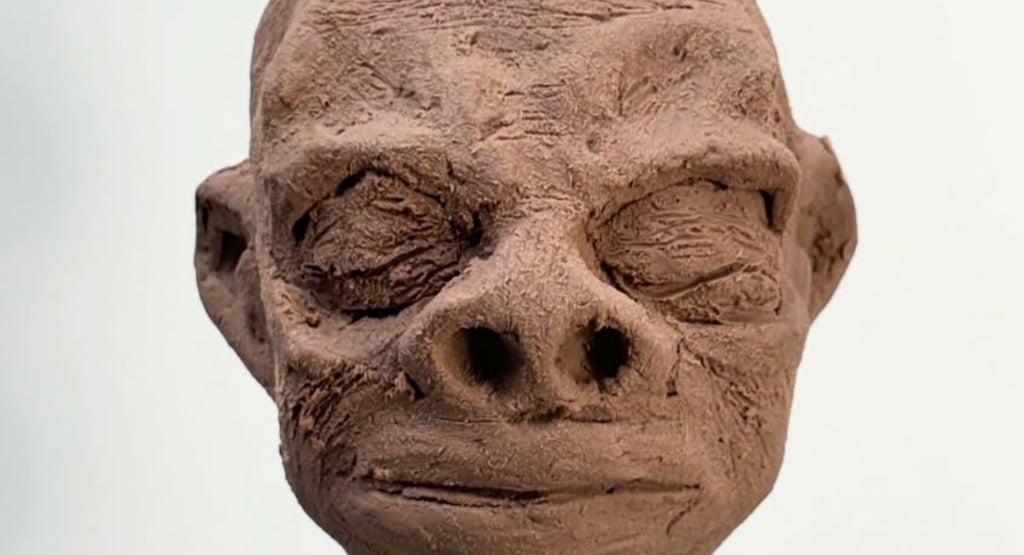
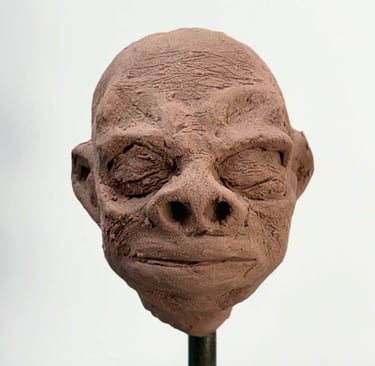
5 Tips for Creating a Professional Creature Sculpture
By GhoulcraftFX Studio
Creating a convincing creature sculpture is one of the most rewarding skills in practical effects. Whether you're sculpting a monster mask, a severed limb, or a full creature bust, the difference between amateur and professional work often comes down to planning, anatomy, and attention to detail. Here are five essential tips used by professional creature designers and practical effects artists to help elevate your sculptures.
1. Start With Strong References
Professional creature designs rarely come from imagination alone. Even the most bizarre monsters are grounded in real-world references.
Look at:
Animal anatomy (reptiles, mammals, insects)
Human anatomy
Bone structure and musculature
Texture references like skin, scars, or decay
Build a reference board before sculpting. Mixing different animals together can create unique and believable creatures.
Example:
A demon creature might combine the jaw of a crocodile, the brow of a gorilla, and the skin texture of an elephant.
2. Focus on Silhouette First
Before adding fine details, make sure the overall shape of your sculpture is strong.
Professional sculptors block out the large forms first:
Skull shape
Jaw structure
Eye sockets
Major muscle masses
If the creature looks interesting just as a shadow, you're on the right track.
A strong silhouette makes your creature readable and dramatic — something used constantly in film and horror props.
3. Build Realistic Skin Texture
Texture is what makes a creature look alive.
Instead of randomly adding detail, build layers of texture:
Large wrinkles and folds
Medium skin breaks and forms
Fine pores and micro detail
Tools that help:
Silicone texture stamps
Sponges
Wire brushes
Custom sculpting tools
Professional creature artists also avoid making textures too repetitive. Real skin is messy and imperfect.
4. Pay Attention to Eyes and Expression
The eyes are the focal point of almost every creature sculpture.
Even if your creature is grotesque, it needs expression.
Things to consider:
Brow angle
Eyelid thickness
Eye socket depth
Direction of gaze
Small changes in these areas can make a creature look:
Angry
Sad
Predatory
Curious
A lifeless eye area is one of the fastest ways to make a sculpture feel fake.
5. Think About the Final Material
Professional sculptors always think about how the piece will be molded and cast.
Before finishing your sculpture, consider:
Undercuts that might trap a mold
Where mold seams will go
Thickness of the casting material
Whether it will be foam latex, silicone, resin, or latex
Designing with the final material in mind will save huge headaches during the mold-making stage.
Final Thoughts
Great creature sculptures combine art, anatomy, and storytelling. The best monsters feel believable because they follow the rules of real biology — even when they look completely unnatural.
At GhoulcraftFX Studio, we focus on handcrafted horror props and creature work inspired by classic practical effects. From grotesque body parts to disturbing creature designs, practical sculpting keeps horror tangible and real.
Contact
Newsletter
Ghoulcraftfxstudio@gmail.com
6479146225
© 2026. All rights reserved.